

Battery systems
explained
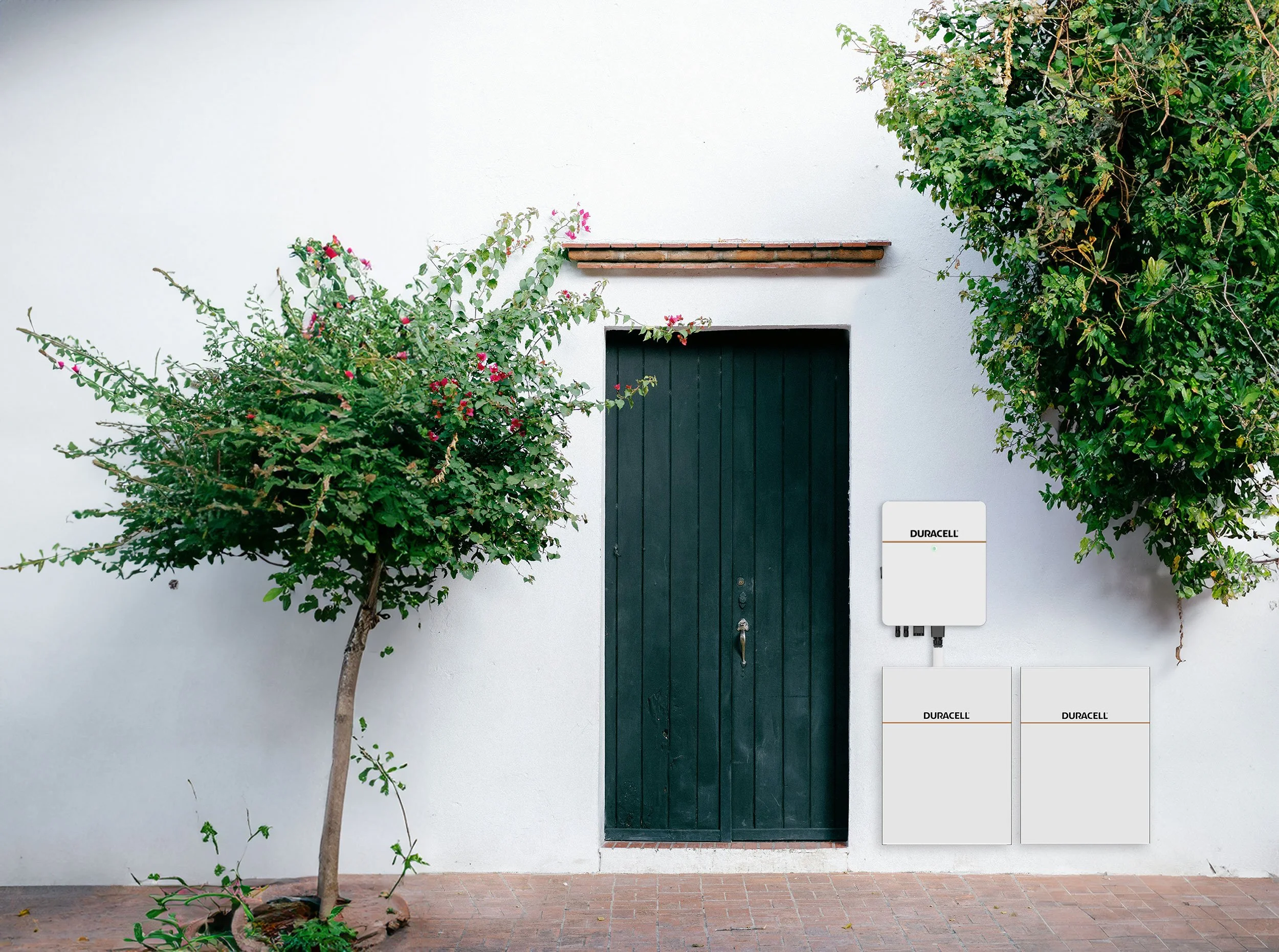
Home battery storage can sound complicated, but the idea is simple: a battery system helps your home store electricity so you can use it later, instead of relying on the grid at the most expensive times. For many UK households, that means using more of the solar you generate during the day, making evening energy cheaper, and getting a bit more control over how your home runs.
What is
a home battery system?
A home battery system stores electricity and releases it when you need it. Most homes use the most power in the mornings and evenings, but solar generation peaks in the middle of the day. Without storage, a lot of that daytime solar is either exported back to the grid or used in small amounts. With a battery, you can capture more of your own energy and use it later, when the kids are home, dinner is on, and the house is doing what houses do.
A battery system can also work without solar. In that setup, the battery charges from the grid when electricity is cheaper (for example, overnight on certain tariffs) and then powers parts of the home later when rates are higher. The details depend on your tariff and your household routine, but the core benefit is the same: shifting when you buy electricity, and reducing how much you need at peak times.
A home battery system stores electricity and releases it when you need it. Most homes use the most power in the mornings and evenings, but solar generation peaks in the middle of the day. Without storage, a lot of that daytime solar is either exported back to the grid or used in small amounts. With a battery, you can capture more of your own energy and use it later, when the kids are home, dinner is on, and the house is doing what houses do.
A battery system can also work without solar. In that setup, the battery charges from the grid when electricity is cheaper (for example, overnight on certain tariffs) and then powers parts of the home later when rates are higher. The details depend on your tariff and your household routine, but the core benefit is the same: shifting when you buy electricity, and reducing how much you need at peak times.
What’s included
in a home battery system?
-
The battery is the part that stores electricity for later. If you have solar, it captures more of the energy you generate in the day so you can use it in the evening. If you’re on a time-of-use tariff, it can also store cheaper off-peak electricity to use when rates are higher. Battery capacity is measured in kWh; the higher the number, the more energy it can store.
-
The inverter is the brains of the system. It manages how energy moves between your solar panels (if you have them), the battery, your home, and the grid. It also converts electricity into the form your home uses, and balances power safely when appliances switch on and off. A well-sized inverter makes the system feel smooth and reliable, especially in busy households or homes with EV charging.
-
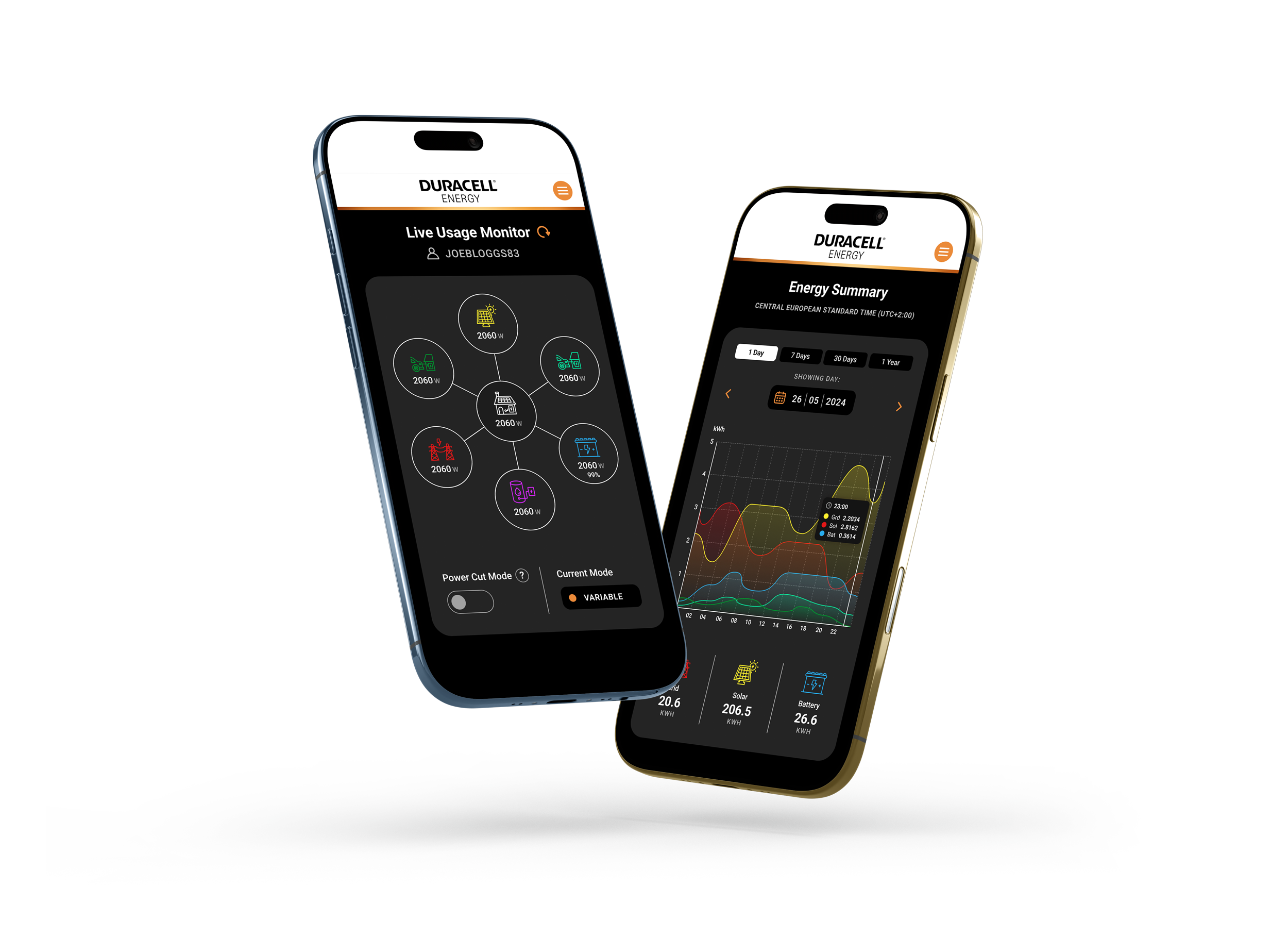
This is the part that makes the system feel “smart”. Monitoring shows you what your home is generating, using, storing, and importing in real time. Energy management then uses that information to make better decisions automatically.
It’s also where alerts, performance insights, and support diagnostics live, so you’re not left guessing if something doesn’t look right.
What’s included
in a battery system?
Most homeowners picture the battery itself on the wall, but a full system is a few parts working together. The battery is the storage unit, measured in kilowatt-hours (kWh). Think of kWh as “how much energy it can hold”. Alongside that, you’ll usually have an inverter, which is the brain of the setup. The inverter manages the flow of electricity between your solar panels (if you have them), the battery, your home, and the grid. It also helps convert electricity into the form your home uses.
Most modern systems include monitoring software or an app that lets you see what’s happening in real time, like how much solar you’re generating, how full the battery is, and how much you’re importing from the grid.
How does a battery system
save money?
If you have solar, your panels often generate most when you’re out or busy, and not necessarily when you need the energy most. A battery stores that generation so you can use it later, especially in the evening, which is when many households would otherwise import a lot of electricity from the grid.
If you’re on a time-of-use tariff, battery storage can be even more helpful. Instead of paying peak prices for evening energy, the system can charge when electricity is cheaper and then use that stored energy later.
Every home is different. The real-world impact depends on your solar size, your tariff, your energy use, and whether you have larger loads like an EV charger or electric heating. But the goal of storage is always the same: reduce the amount of expensive grid electricity you need, and improve how much of your energy is used at home.
Batteries and
EV charging
EVs are one of the biggest reasons homeowners start looking into battery storage. Charging a car at home is convenient, but it can also be a new, significant demand on your electricity use. A battery system can help by supporting smarter charging habits, shifting more charging into cheaper windows and reducing the amount of peak-price grid electricity your home relies on.
The key is making sure the system is designed properly. EV charging is a bigger load than most household appliances, so the right inverter setup and smart energy management makes a real difference. If you’re planning to get an EV soon, it’s worth mentioning this early, so your installer can design the system around it.
Battery sizing explained:
kWh vs kW
A good rule of thumb is that you size a battery based on your daily routine, not just your total household usage. If you use most energy in the evenings, storage can be especially effective. If you’re adding an EV or planning to electrify heating, it’s worth thinking about future needs too, so your system doesn’t feel tight in a couple of years.
kWh (kilowatt-hours)
This is the battery’s capacity, or how much energy it can store. A larger kWh battery can power your home for longer before needing to recharge. This is usually the number homeowners focus on first, because it relates to how much of your evening usage can be covered by stored energy.
kW (kilowatts)
This refers to power, or more simply, how much energy can be delivered at once. This affects how well the system can handle multiple appliances running together. For example, a kettle plus an oven plus an EV charger is a very different demand than a few lights and a TV. Your inverter and system design matter here, not just your battery size.
Typical battery charging and release cycles explained
SUN’S OUT? STORE IT.
When the sun is shining, your solar panels generate electricity. This electricity is used to power your home first. Any extra energy that your home isn’t using at that moment can be stored in your battery.
Solar panels usually produce the most electricity around the middle of the day, when the sun is highest in the sky. How much energy is produced depends on the season, the weather, and the direction of your panels.
Your battery stores this extra electricity so you can use it later. For example:
During cloudy weather
In the evening when the sun goes down
Overnight until the sun rises again
This means you can rely less on electricity from the grid and use more of your own solar energy.
Some battery systems can charge quite quickly. In ideal conditions, certain batteries can charge at a rate that would allow them to fully charge in about one hour (this is sometimes referred to as a “1C” charge rate). However, actual charging speed depends on your system size, battery type, and how much solar energy is being produced.
If your solar system produces more electricity than your home needs and your battery is already full, the extra energy can be sent back to the grid. In many areas, you may receive a payment or credit for this exported energy, which can further reduce your electricity bills.
No solar? No problem.
A home battery can still lower your electricity bill by taking advantage of off-peak pricing.
Many UK time-of-use tariffs offer cheap overnight electricity (often around 7–8p/kWh) and a higher daytime rate. For example, Intelligent Octopus Go advertises 7p/kWh overnight, while the typical capped unit rate on a standard variable tariff has been around 27.69p/kWh (Jan–Mar 2026).
How it works
Charge your battery overnight when electricity is cheapest.
Use that stored energy during the day when electricity costs more.
Simple cost comparison
Example home use: 10 kWh per day
With a battery, charged off-peak at 7.5p/kWh (illustrative):
10 kWh × £0.075 = £0.75 per day
≈ £22.50 per month (30 days)
Without a battery, bought at 27.69p/kWh (typical SVT unit rate example):
10 kWh × £0.2769 = £2.77 per day
≈ £83.07 per month (30 days)
The result
In this simplified example, shifting 10 kWh per day from a standard unit rate to off-peak can reduce the energy cost of that usage by about 73%.
Buy low. Store it. Use it when prices are higher.
*All pricing and usage figures are intended for illustrative purposes only. There are many variables on live systems based around individual power consumtion, seasonal weather and optimal charging routines that may affect real world systems. Actual savings depend on your tariff rates, standing charges, battery size, usable capacity, and how much of your daily use you can shift into off-peak charging.So, how much energy
do I use?
Average consumption
Your energy supplier is the best place to start, because your account or smart meter data will show your actual kWh usage by day, week, and month. That real history is the most reliable way to estimate your typical daily consumption.
If you just need a quick sense check for UK homes, Ofgem’s “typical household” electricity use is around 2,700 kWh per year, which works out at roughly 7.4 kWh per day.
As a practical sizing guide, many households sit somewhere in this band:
1–2 people (smaller homes or lighter use): around 4–6 kWh per day
2–3 people (typical use): around 7–9 kWh per day
4+ people (larger homes or higher use): around 10–13 kWh per day
If your home is electric-only (for example you use electricity for heating, hot water, or cooking), your electricity consumption is usually higher than a dual-fuel home, so it’s worth basing calculations on your own meter data rather than averages
Future proof
The move away from gas
As more UK homes switch from gas boilers to electric heating, especially air source heat pumps, electricity use can rise noticeably. When you are estimating future consumption, use your current smart meter or supplier data as the baseline, then add the extra demand from heating and hot water.
A useful rule of thumb: an average heat pump can use around 6 to 10 kWh of electricity per day across the year, depending on property size, insulation, and how you run your heating. That is roughly 4,000 kWh per year for space and water heating in a typical home, with the biggest share falling in colder months
Important seasonal note!
Winter: +15 to +30 kWh/day (cold days can be much higher)
Summer: +1–3 kWh/day (mostly hot water only)
EV Charging
If you already own an electric vehicle, or you are planning your next car, EV charging can become one of the largest single loads in the home. Most fully electric cars sit in the region of 50 to 100 kWh of battery capacity (your “fuel tank” size), with smaller city cars often lower and larger SUVs sometimes higher.
A dedicated home charger makes charging simpler and helps you take advantage of off-peak tariffs. Combined with a home battery system, it also helps you shift more energy into cheaper or self-generated power and build a joined-up home energy setup that includes solar, storage, and EV charging.
*Data sourced from Ofgem (2025).
What Battery options do I have?
Dura5
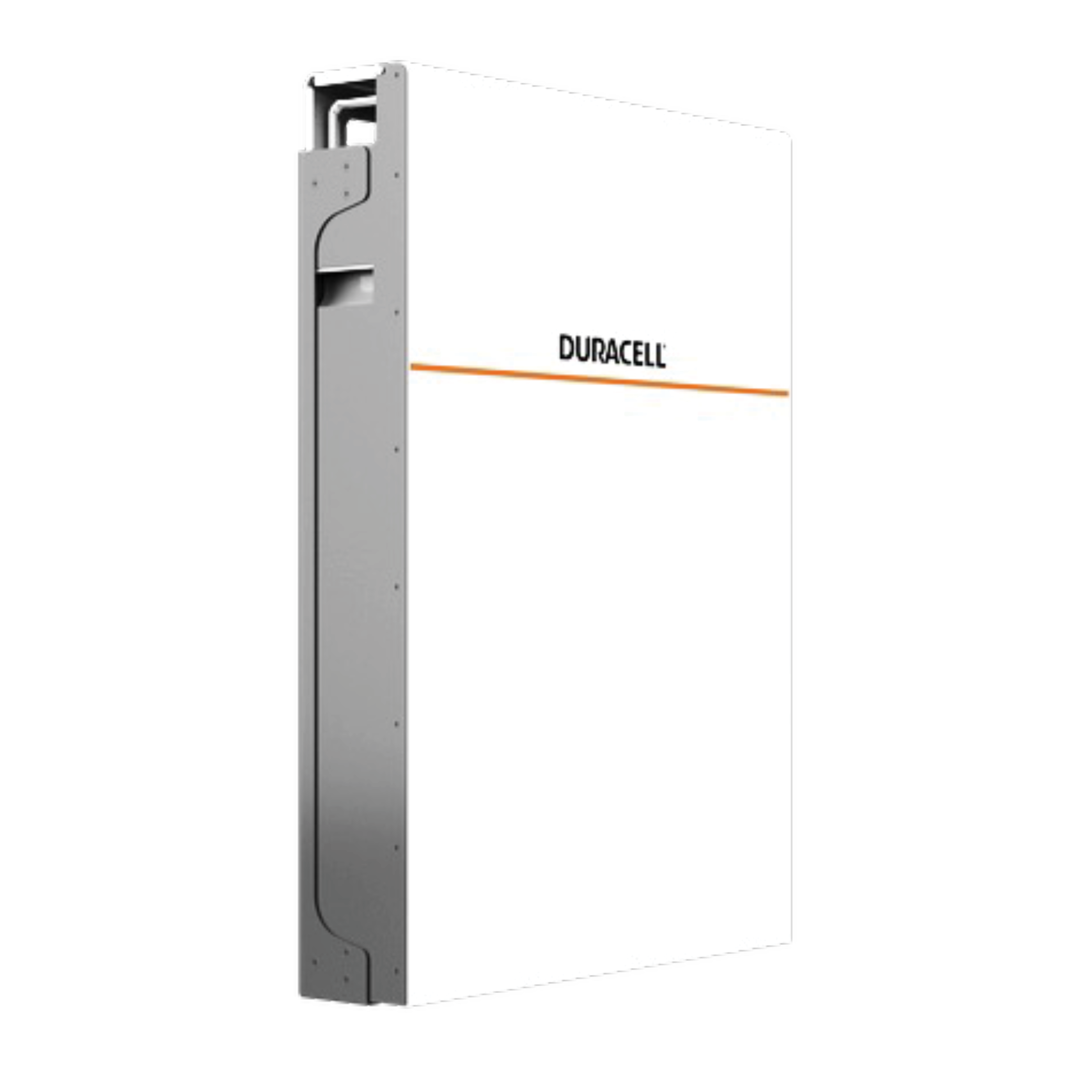
Our home battery systems range from 5KWh to 16KWh.
Multiples of both can easily be fitted to meet your energy storage needs, coupled to solar or grid connected services.
-
Warranty
10 YearsNominal capacity
5.12kWhLifespan
8,000 cycles
33% longer lasting than market standardCharge rate
Charge/discharge at 100A (1C)IP rating
IP65Battery array
32 x battery modules (164kWh) per inverterMount type
Wall mount or Stack
Dura16
-
Warranty
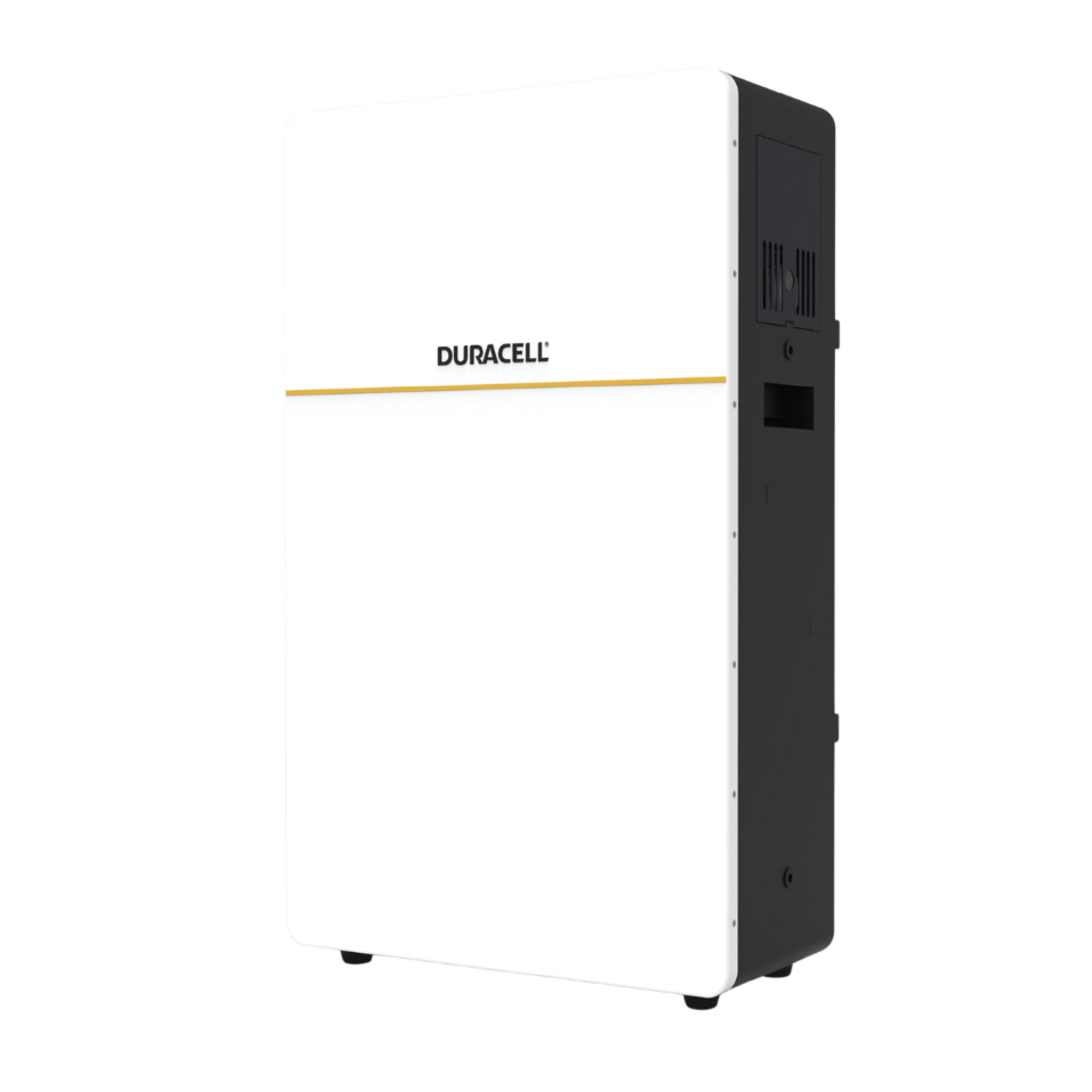
10 YearsNominal capacity
16.1kWhLifespan
8,000 cycles
33% longer lasting than market standardCharge rate
Charge/discharge at 130AIP rating
IP65Battery array
12 x battery modules (192kWh) per inverterMount type
Wall or floor mount